Rethinking cancer care by bringing treatment closer to home

A blog with Consultant Clinical Oncologist Dr Prantik Das
Cancer care has changed dramatically over the past decade. Treatments are more effective, patients are living longer and many cancers are now managed as long-term conditions rather than acute episodes. That progress is welcome – but it comes with growing pressure on hospitals and clinical teams.
For Consultant Clinical Oncologist Dr Prantik Das, specialising in urological and gastrointestinal cancers, the answer is not only about new drugs or technologies. It is also about changing where and how care is delivered.
Putting quality of life at the centre
Dr Das looks after patients on both curative and non‑curative pathways, and he is clear that quality of life must sit alongside clinical outcomes.
“My role as an oncologist is to be part of the patient’s journey,” he explains, “not just to deliver treatment, but to help people live as well as possible during and after it.”
For him, that means helping patients maintain independence, confidence and a sense of normality, while also supporting families and carers. This philosophy has strongly influenced his openness to new models of care, including home‑based treatment.
Why home‑based cancer care made sense
Dr Das first encountered homecare early in his career, while working in rural settings where travel to hospital was often difficult. He saw that bringing treatment to patients’ homes improved access without compromising safety or outcomes.
“When I later became a consultant, incorporating homecare into my practice wasn’t a leap of faith,” he says. “I had already seen how well it worked. Patients valued it, outcomes were not compromised and it allowed care to fit around people’s lives, rather than the other way round.”
As treatments have advanced and more patients receive multiple lines of therapy over many years, that early experience feels even more relevant. Clinics are busier, hospitals are stretched and clinical teams are managing increasing complexity with finite resources. Dr Das believes it is no longer realistic to deliver all care in the same way as before.
“Patients are living longer with cancer, which is exactly what we want,” he says. “But if we continue to deliver everything in the same setting, the system simply will not cope.”
Who benefits most from homecare?
In Dr Das’s experience, many patients can benefit from home‑based care when safety and clinical suitability are carefully assessed.
- Older patients with mobility challenges or reduced confidence driving long distances
- People who live far from treatment centres, for whom repeated travel is exhausting
- Working age patients who want to remain active during treatment and minimise time away from work
Reducing travel, waiting times and repeated hospital visits can make a meaningful difference to day-to-day life. At the same time, he is clear that patient preference matters. Some people feel more comfortable in a hospital environment and that choice should always be respected.
“A new life”: the impact on everyday living
One of the most consistent messages Dr Das hears from patients is how much time and energy homecare gives back to them. Instead of spending hours travelling, waiting for appointments or arranging transport, treatment becomes part of normal life.
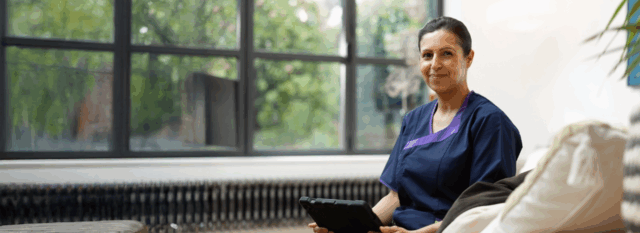
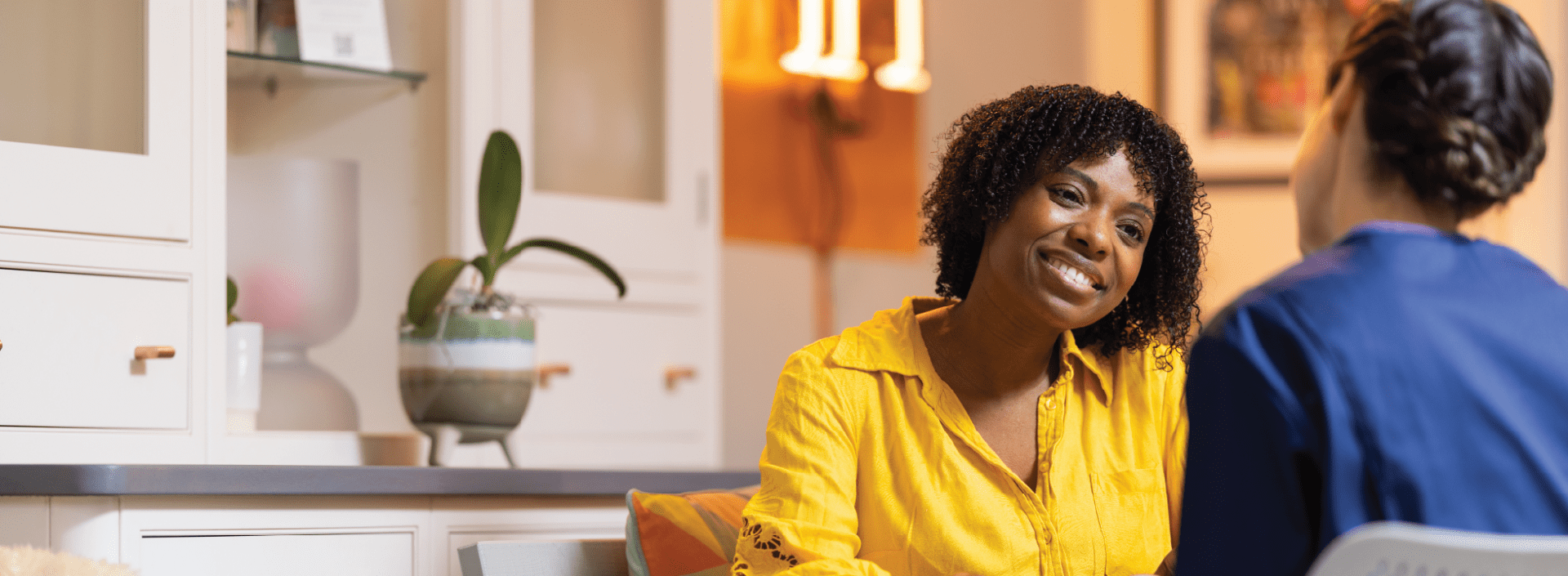
Specialist nurses visit patients at home, carry out assessments, take bloods and deliver treatment in a familiar setting.
“We are delivering the same treatment,” he says, “but in a way that gives people more control of their time and their lives.”
He recalls an older patient who struggled with repeated hospital visits because of mobility and travel challenges. After transitioning to home‑based care, the patient described it as being given “a new life”, with the freedom to enjoy everyday activities again between treatments.
For many patients, that sense of control over their time and environment is just as important as the clinical care itself.
Benefits for clinics and clinical teams
Home‑based care is not only about patient experience; it also changes how clinics operate.
By safely treating appropriate patients at home, hospital services can focus more of their capacity on those with complex needs or intensive regimens. This creates space for longer consultations, better prioritisation and greater involvement in research and clinical trials.
For Dr Das, homecare has also enabled more flexible use of the wider multidisciplinary team. Specialist nurses and nurse practitioners can take on a greater role in assessments and monitoring, helping to distribute workload and respond quickly to day-to-day issues.
Spotting adverse events earlier
Homecare is also changing how side effects and drug toxicities are picked up and managed. Because specialist nurses spend time with patients in their own homes, they often have a more complete picture of how someone is coping day to day.
Nurses can see subtle changes in mobility, appetite or mood, notice issues that patients might downplay in a busy clinic, and pick up early warning signs of toxicity or complications. They can escalate concerns quickly, allowing oncologists to adjust doses, add supportive medication or bring patients in for review before problems become serious.
“In many cases we are not just matching the safety of hospital care,” Dr Das notes. “We are helping to improve it by identifying adverse events earlier and dealing with them before they escalate.”
What makes homecare work
From a clinician’s perspective, trust and communication are essential. Dr Das emphasises the importance of knowing that patients receive the same high standard of care at home as they would in hospital.
Experienced specialist cancer nurses are central. They provide continuity, rapid feedback and practical problem-solving, and they often become a consistent point of contact for patients and families.
“When I refer a patient to homecare, I am confident their care will not be compromised,” he says. “That assurance matters – to me and to my patients.”
Looking ahead
Dr Das believes home‑based cancer care will only grow in importance. As more cancers are managed as long-term conditions, care will need to move closer to patients’ homes to remain sustainable.
For him, this is not about replacing hospitals, but about using resources more intelligently and ensuring that progress in cancer treatment translates into better lived experiences.
“By rethinking where care happens,” he concludes, “we can continue to advance oncology without losing sight of what matters most to patients.”
About Dr Prantik Das
Dr Prantik Das is a Consultant Clinical Oncologist specialising in urological cancers, gastrointestinal malignancies and advanced stereotactic radiotherapy, including MR guided SABR. He is based at University Hospitals of Derby and Burton NHS Foundation Trust and is an Honorary Assistant Professor at the University of Nottingham.
He has led and participated in major national clinical trials and published widely on prostate, renal and uro‑oncology, helping to bring new radiation techniques such as MR‑guided SABR and ultra‑hypofractionated schedules into routine practice. Alongside his clinical work, he holds regional and national leadership roles in radiotherapy networks and uro‑oncology groups.