Sciensus presents new data on supporting nurse wellbeing and education in homecare
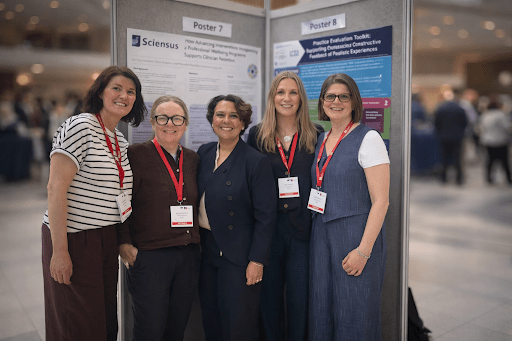
At this year’s RCN Education Forum Conference in Exeter, Sciensus shared new real-world data on how structured wellbeing and education initiatives can support specialist homecare nurses and, in turn, enhance care for patients at home.
Putting clinician wellbeing at the centre
Nurses working in homecare often manage complex clinical situations alongside the emotional demands of caring for people with long-term or life-limiting conditions. In response, Sciensus has developed a multi-component professional wellbeing programme designed around what nurses themselves said they needed to feel more supported in their roles.
The programme combines mindfulness and emotional regulation sessions, access to Professional Nurse Advocates and restorative supervision, professional boundaries training and a Menopause Champion network. Nurses who took part reported improvements in focus, mood and energy, alongside better overall wellbeing. These results suggest that when wellbeing is addressed in a structured, sustained way, clinicians feel more able to continue delivering high-quality care in the home.
“We know that when nurses feel heard, supported and given space to reflect, it has a direct impact on the care they can offer patients,” said Michelle Woodfield, Clinical Lead Educator at Sciensus. “Our aim is to embed wellbeing support into everyday practice, so colleagues feel able to stay and grow in roles that are so important to patients and families.”
Building confidence through SACT education
Alongside wellbeing, ongoing education is critical for nurses delivering systemic anticancer therapy (SACT) in patients’ homes. The Sciensus SACT education programme uses a blended model of study days, on-the-job supervision and digital resources to help nurses build knowledge, confidence and clear development pathways.
Engagement with both in-person and online learning has been strong. Nurses have reported increased confidence in administering SACT, managing complex regimens and supporting patients and families as they navigate treatment at home. This focus on practice-based learning is helping to maintain and grow specialist skills within the homecare workforce.
Supporting sustainable, high-quality homecare
Together, the wellbeing and education initiatives highlight how investing in both the emotional and professional needs of nurses can support workforce resilience in specialist homecare. When clinicians feel valued, well supported and confident in their practice, they are more likely to stay in their roles and continue to provide safe, consistent care for patients with complex and chronic conditions.
For Sciensus, these projects form part of a wider commitment to working alongside nurses to strengthen care delivered in the home. By creating space for reflection, supervision and learning, the organisation aims to help ensure that patients continue to receive high-quality treatment and support where they live, while nurses are equipped and supported to deliver it.
Want to read the full data?
The findings shared at the RCN Education Forum Conference 2026 include detailed outcomes from both the professional wellbeing programme and the SACT education initiative, including improvements in nurse retention, wellbeing scores and clinical confidence.
For the full results and commentary from the Sciensus clinical education team, read the conference announcement.
Want to learn more?
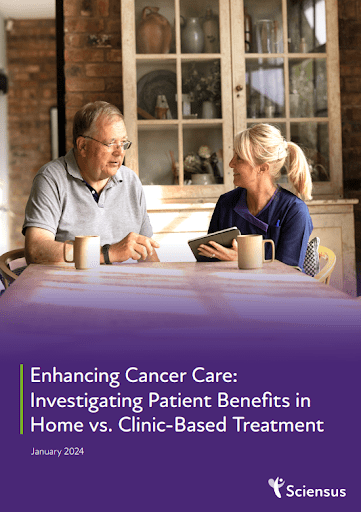
Well-supported, confident nurses are at the heart of high-quality homecare. Independent research commissioned by Sciensus found that one-to-one nursing care was the top reason patients chose to receive chemotherapy at home, with many describing the compassion, attentiveness and expertise of their nurse as central to their experience.
For the full findings on how home-based chemotherapy compares to clinic-based treatment, including insights on patient quality of life, decision-making and the role of the specialist nurse, download our report.