

Improving medication persistence through hybrid digitally enabled patient support
+12 percentage point improvement in medication persistence at 12 months when analysing 36,000 patient records.
At a glance
Sciensus have developed a hybrid digitally enabled patient support programme designed to improve medication adherence and persistence by combining digital tools with clinician-led support and established homecare services.
The programme demonstrated a +12-percentage point improvement in medication persistence at 12 months, highlighting the value of combining human support with digital engagement to help patients remain on therapy over time.
The challenge
For patients receiving long-term treatments, staying on therapy can be difficult. Even when patients have access to treatment, persistence can be affected by confidence, training, ongoing support, symptom concerns and the practical realities of managing medication at home.
Sciensus wanted to understand how different types of patient support influenced adherence and persistence across a large real-world patient population.
The objective was to evaluate 12-month persistence and adherence in patients receiving variety treatments via Sciensus, comparing digitally enabled and non-digital support models.
The approach
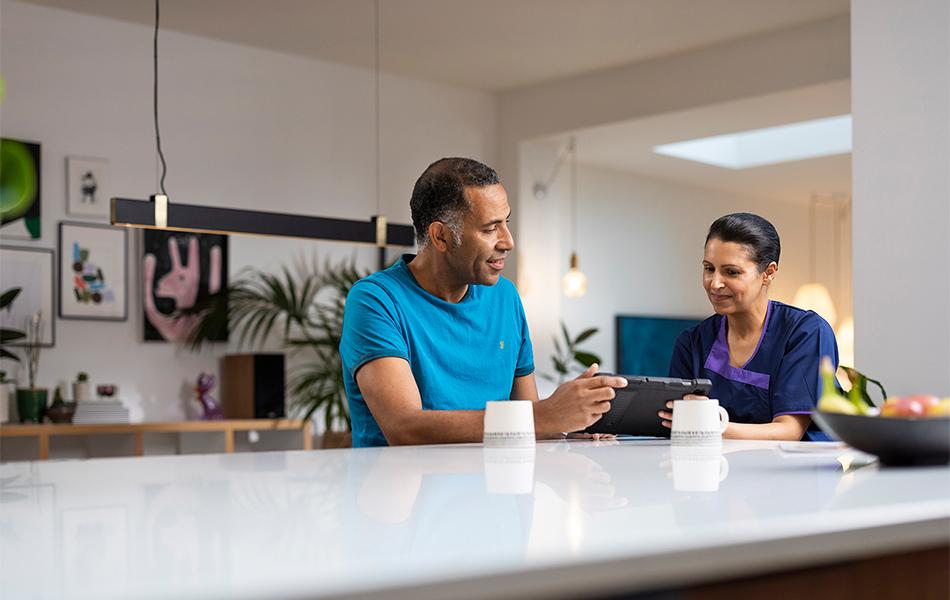
Sciensus launched a Hybrid PSP, integrating digital tools with existing in-home dispensing and clinician support.
The retrospective study reviewed data from approximately 36,000 patients, segmented by the type of support they received.
All patients received initial nurse-led training support. Ongoing support then varied by group and included clinician-driven support, digital tools or self-managed care.
The Hybrid PSP model included:
- Adherence tools
- Patient engagement support
- Product support
- Communication with healthcare professionals
- Integration with home dispensing and clinician-led care
This created a hybrid model that combined the scalability of digital support with the reassurance and clinical value of human-led care.
The results
Patients supported through the digitally enabled model showed improved medication persistence compared with those receiving non-digital support.
At 12 months, the programme demonstrated a +12-percentage point improvement in medication persistence.
The adherence analysis also showed higher mean medication possession ratio (showing good adherence to prescribed medicine) among digitally enabled patients compared with non-digital patients, with the difference reported as statistically significant.
These results suggest that combining digital engagement with clinician-led support can help patients stay more connected, confident and persistent throughout treatment.
Why it matters
This case study demonstrates the value of designing patient support around real-world behaviour.
Digital tools alone are not always enough. Human clinical support remains essential, particularly where patients are managing complex or long-term therapies at home. However, when digital tools are integrated with nurse-led training, patient engagement and clear communication pathways, they can strengthen support and improve persistence at scale.
For manufacturers, this creates an opportunity to improve treatment continuation, support better patient experience and generate meaningful insight into how patients engage with therapy outside the clinic.

Key outcomes
- +12 percentage point improvement in medication persistence at 12 months
- Improved adherence among digitally enabled patients
- Statistically significant improvement in medication possession ratio
- Scalable model across therapy areas
- Demonstrated value of combining digital tools with human clinical support
Conclusion
Sciensus’ hybrid digitally enabled patient support programme shows how integrated digital and human support can improve medication persistence and adherence in real-world settings.
By combining nurse-led training, clinician support, digital adherence tools and patient engagement, Sciensus helps patients feel more supported throughout treatment while enabling scalable, insight-led patient support programmes for manufacturers.