
Celebrating 25 years: Fiona Matthews on nursing, home care and what keeps her going
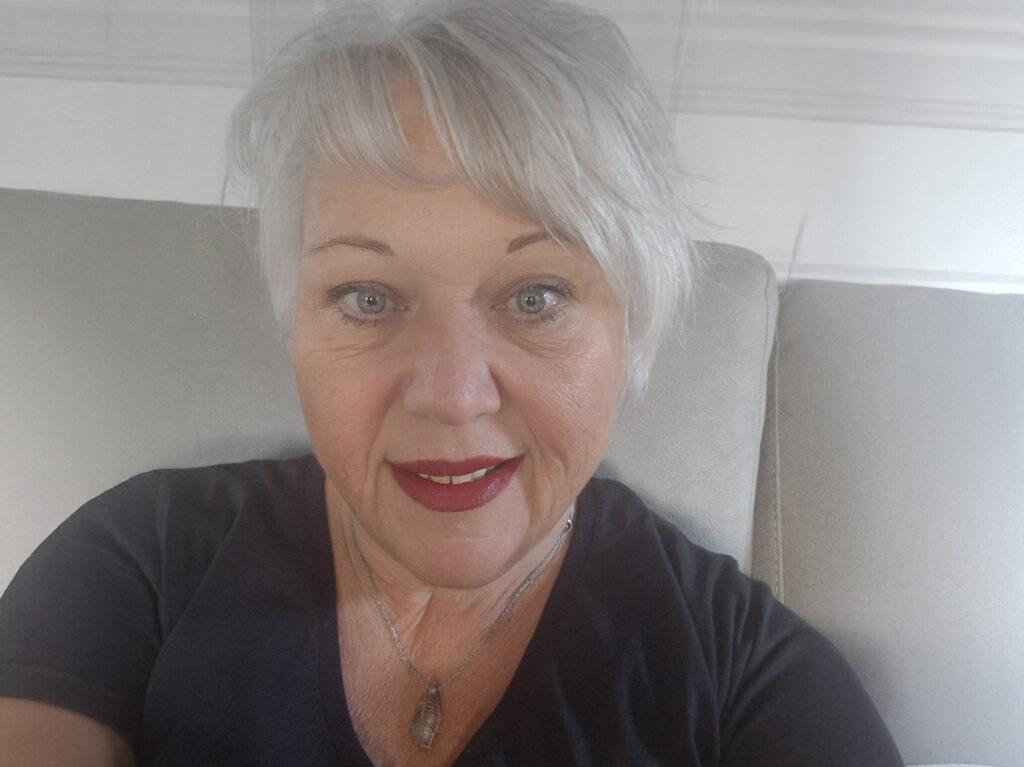
12 May is International Nurses Day. To mark it, we sat down with Fiona Matthews, a cancer nurse who has been part of the Sciensus family for 25 years.
Fiona Matthews was in her 20s when she joined what was then a tiny team of five or six nurses working out of Manchester. There was no digital system, no tablets, no medicine deliveries to patient homes. Just a diary, a list of names and a pile of four-part carbon copy forms thick enough to fill a briefcase.
Twenty-five years later, she’s still here.
“I’m proud to be part of it, to be honest,” she says. “I can’t grumble about the company.”
That’s not nothing, coming from someone who has seen the business through many office moves, multiple rebrands, a global pandemic and her own health challenges that eventually moved her from community chemotherapy nursing into the Care Bureau. Fiona doesn’t say it with the flat contentment of someone who stayed because it was easier than leaving. She says it like she means it.
A vocation from the start
Fiona always wanted to be a nurse. As a young girl, she used to pretend to look after her poorly grandfather. Her mum called it a vocation. Her parents warned her that without the grades, she wouldn’t get there. She didn’t get the grades the first time around.
“It gave me a kick up the bottom,” she says. She went back to school, buckled down and came out with 10 O-levels. She started her nurse training in 1990 at 17. She has been a nurse for 36 years.
The path to cancer nursing came two years into her career, when her father died of cancer. She wasn’t ready to go straight to oncology, so she spent two years in intensive care first, building what she describes as a solid clinical foundation. When the moment came to apply for an oncology role, she says it happened almost overnight.
“I woke up one day and thought, yeah, I’ll apply for an oncology job. And it literally did happen like that.”
What home care really looks like
Before moving into the Care Bureau, Fiona spent 23 years as a community chemotherapy nurse, visiting patients at home. Treatment sessions could last up to eight hours. She’d arrive before breakfast and still be there at tea.
“They get to know how you want your toast and how you like your brew,” she says.
She’s walked patients’ dogs, picked up shopping on the way to visits, brushed patients’ hair before family came to see them. She talks about these things without sentimentality, but with clear conviction that they’re part of the job.
“To me, that’s nursing.”
The relationship with patients in their homes is different from anything she experienced in hospital. You see the same people over weeks and months. You meet the family, the pets, the neighbours. Patients stop feeling like appointments.
“You really do become part of the family. The dogs know you, the cats know you, the kids know you.”
She’s also lost patients she cared deeply about, including some very young ones. She doesn’t flinch from saying so. It’s part of the work.
The Care Bureau: nursing on the phone
When Fiona’s health challenges made the physical demands of community nursing too much, Sciensus moved her into the Care Bureau. Her initial reaction was concern.
“I thought, how on earth can I be a nurse over the telephone? I just, it’s not me.”
She loves it now.
The Care Bureau runs 24 hours a day, 365 days a year, with two nurses on shift at any one time. They handle calls from cancer patients experiencing side effects, from patients on virtual wards, from families in distress. They use the UKONS triage tool to assess symptoms fast, sometimes making decisions that get people to emergency care within minutes.
“It’s thinking on your feet really, really quickly,” she says. “It’s a bit like being a 999 handler for the ambulance, except we don’t start by asking if the patient is breathing.”
They also cover safeguarding, out-of-hours coordination, pharmacy queries and situations no job description fully prepares you for: patients who are struggling with mental health crises, homeless, fleeing domestic abuse. Two nurses. Every call unknown until you pick up.
“I don’t think many people understand what we actually do in Care Bureau,” Fiona says.
What keeps you going
Fiona has been asked this before. Her answer is clear: colleagues.
“In Care Bureau, we’re not work colleagues. We’re like family. Some of us have never even met in person, but we speak every day.”
When something difficult comes in, they debrief. They carry each other through. Her husband, a medic working on an oil rig, understands the weight of the job in a way not everyone can. That helps too.
“If you’re with someone who hasn’t got a clue about caring, it’s very difficult to offload and discuss things.”
She’s had many managers over 25 years and speaks warmly of them. She’s never wanted to move into management herself. Not because she couldn’t, but because hands-on nursing is what she came to do and what she’s always wanted to keep doing.
“I just think it’s something I promised myself when I was a student nurse. I wanted to stay nursing.”
International Nurses Day
When we asked what the day means to her, she paused.
“Just very proud. I’m proud to be a nurse. It’s in my blood, it’s in my veins.”
She thinks nursing gets looked at differently since COVID, and she’s glad of it. But for Fiona, the recognition almost misses the point. To her, it’s just what she does. She’s 54 and has no interest in changing career.
“There’s nothing else I would want to do.”
For anyone considering nursing, she offers honest advice. It’s hard. It’s physically and emotionally demanding. Short-staffing is real. Abuse towards staff is a growing problem that she calls absolutely disgraceful. But she wouldn’t put anyone off.
Her advice: think carefully about which area of nursing you want to go into. Get two years in intensive care or A&E first if you can. Build a solid clinical base before you specialise. Her niece, who recently qualified in Ireland, got the same guidance.
And what makes a good nurse? Not maths. Not necessarily university grades.
“You need to have empathy. You need to want to look after people. You need that passion.”
Fiona Matthews has had it since she was a little girl pretending to nurse her grandfather. Twenty-five years with Sciensus, 36 years in nursing. She’s still got it.