Regulatory, pricing and market authorisation: How biotechs can navigate Europe’s complex market access landscape
Bringing a rare or ultra-rare therapy to market in Europe has never been more complex, or more vital. As the regulatory landscape shifts and new mechanisms such as the European Union’s Joint Clinical Assessment (EU JCA) reshape the health technology assessment (HTA) process, biotech leaders must know how to plan, prioritise and execute effectively in the region.
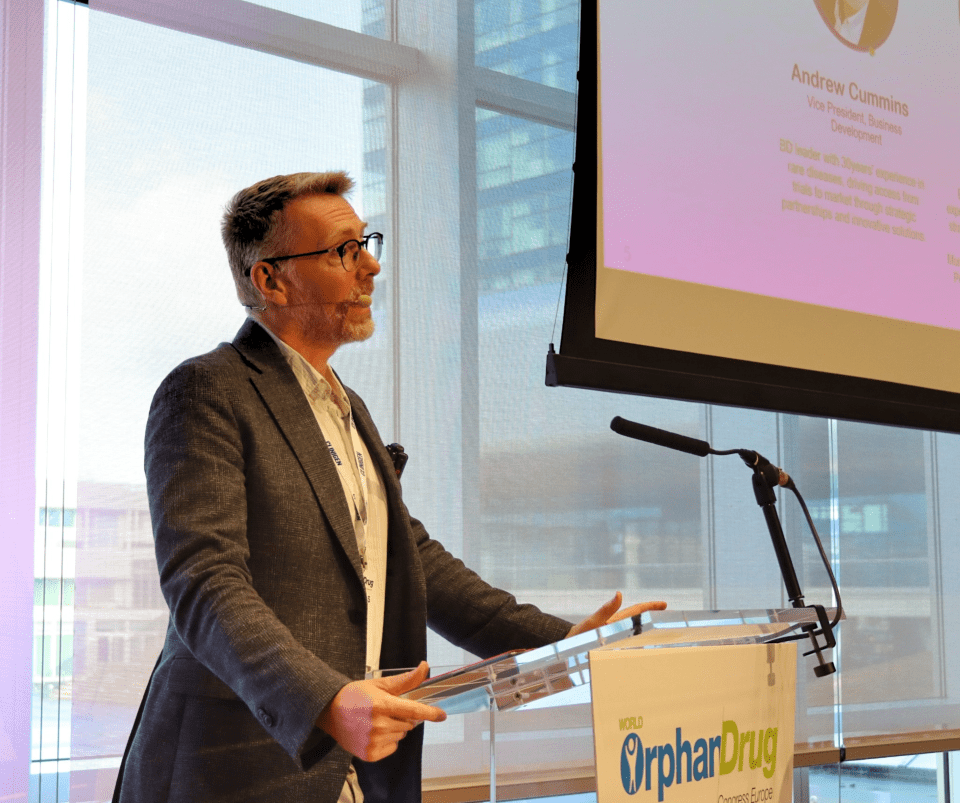
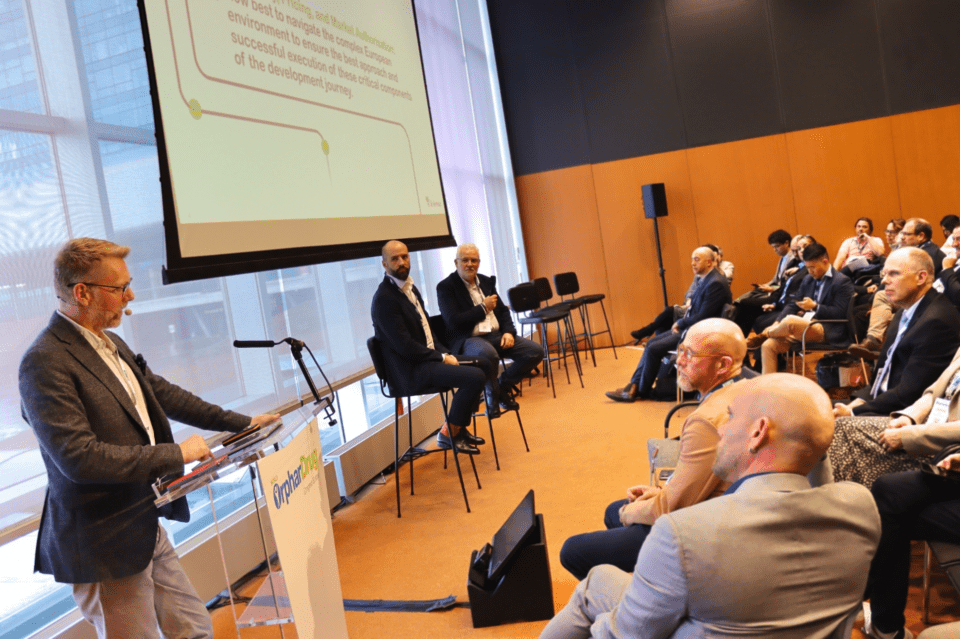
At the recent World Orphan Drugs Congress, Sciensus’ Andrew Cummins, Vice President, Business Development and Doug Niven, European Strategic Consultant, were joined by Ralph Hughes, Chief Business Officer at Faron Pharmaceuticals, to explore the realities of launching rare disease drugs in Europe.
Faron Pharmaceuticals is a small Finnish biotech, developing immuno-oncology therapies, including its lead candidate, bexmarilimab, for the treatment of rare cancers such as myelodysplastic syndromes (MDS). As its Chief Business Officer, Ralph has a hands-on perspective of what it means to navigate Europe’s regulatory and market access challenges as a small emerging biotech, without the resources of a larger pharmaceutical company.
The discussion covered everything from regulatory readiness and pricing pressures to the critical role of patient engagement.
Not all rare diseases are made equal…that changes everything about how you commercialise.
Ralph Hughes, Chief Business Officer at Faron Pharmaceuticals
The session opened with a reminder that ‘rare disease’ is not a single market. Each condition brings its own clinical, patient and commercial realities and understanding those differences is critical.
“Not all rare diseases are made equal,” said Ralph Hughes. “Some, like Duchenne, are concentrated in a few specialist centres. Others, like myelodysplastic syndromes, are scattered and found in every hospital. That changes everything about how you commercialise.”
This distinction matters for both strategy and resourcing. Concentrated conditions allow for focused engagement with opinion leaders and advocacy groups, while more dispersed ones demand larger networks, more education and different types of collaboration. Even within the healthcare system, ownership can be diffuse, adding yet another layer of complexity. That complexity naturally feeds into the next challenge ̶ how to prioritise limited resources.
Prioritisation pressures
For small biotechs, such as Faron, committing significant time and budget to European market access can be difficult to justify.
“The US makes up 70% of our forecast,” Ralph explained. “So our trial endpoints are designed with the Food and Drug Administration (FDA) in mind. Europe is a secondary consideration ̶ but that can create major problems later.”
Those problems often surface when EU regulators and payers ask for outcomes that differ from US endpoints, particularly patient-reported or quality-of-life measures. Addressing these gaps later means costly endpoint audits and protocol adjustments that could have been avoided. As Doug summarised, “By the time you’ve written your Phase III protocol, it’s too late.”
Early alignment, ideally around the end of Phase II, is considered the sweet spot for integrating both FDA and European Medicines Agency (EMA) requirements. The panel agreed – planning is everything.
Fail to plan, plan to fail
Europe’s patchwork of regulators, HTA bodies and payer systems can intimidate even experienced developers. But, as Andrew pointed out, complexity comes with the territory.
“Everything in life is complex,” he said. “The US is complex for different reasons. If you’re a drug developer, you’re built to handle complexity. You just need good people and a clear plan.”
That plan, he argued, must be phased. US first, then Europe, but with Europe in mind from the start. Early access programmes can help small companies build European experience and revenue before full approval. While most biotechs default to the EU5 (France, Germany, Italy, Spain and the UK), Andrew encouraged a broader approach.
“Don’t ignore the Nordics, Benelux and Central and Eastern Europe. These are countries where access may be simpler and regulation may soon push launches to happen across all markets at once.”
With that backdrop, the discussion moved to one of the biggest new challenges in market access – the Joint Clinical Assessment.
JCAs: Simplification, or added stress?
In theory, JCAs should simplify and accelerate HTA decisions. In practice, it’s raising alarm bells.
“It feels like we’re actively trying to damage Europe’s competitiveness,” said Ralph. “Big pharma can handle the complexity. But for small innovators, it’s mind-boggling.”
Andrew agreed that while the JCA’s goal is consistency, its early implementation may lead to both winners and losers.
“JCA has the opportunity to raise and lower standards at the same time,” he warned. “Small biotechs can’t just ‘bear with it’. Their investors won’t accept that uncertainty.
It’s crucial to plan for JCA early, ideally by Phase II, so you’re not caught off guard when it’s time to compile your evidence.”
Pricing pressure and the global ripple effect
The conversation then turned to pricing and how US policy changes could send shockwaves across the Atlantic.
“If the most favoured nation (MFN) policy comes into play,” said Ralph, “regional licensing deals become impossible. Why would a US partner buy a drug if lower EU prices could undercut their market?”
Meanwhile, in Europe, local tensions, such as the UK’s ongoing pricing and access negotiations, show how fragile the pricing ecosystem can be.
“There’s a limit to how far you can push pharma before they say enough’s enough,” Ralph added.
Andrew’s advice for small companies was pragmatic: “We’ve got at least three years of chaos; you might as well just get on with it.”
Patients as partners
If there was one uniting theme across the panel, it was that patients belong at the centre of every decision.
“Patients are not just numbers,” said Ralph. “They’re living the condition. Their perspectives are invaluable in trial design, access planning and even funding.”
Andrew added that while patient organisations across Europe vary in maturity and structure, they all share passion and purpose. By engaging early, companies can validate endpoints, shape meaningful outcomes and build credibility with HTA bodies that increasingly value patient-reported measures.
As one audience member noted, today’s patients are informed, pragmatic partners ̶ ready to collaborate, not just participate.
Want to go deeper?
The key takeaway from the session was clear. Europe’s rare disease access environment may be complex, but it rewards those who plan early, partner smartly and stay agile.
Download our new Rare Disease Launch Insights Report for more expert tips, regional insights and practical strategies from our specialists in European rare disease launches.